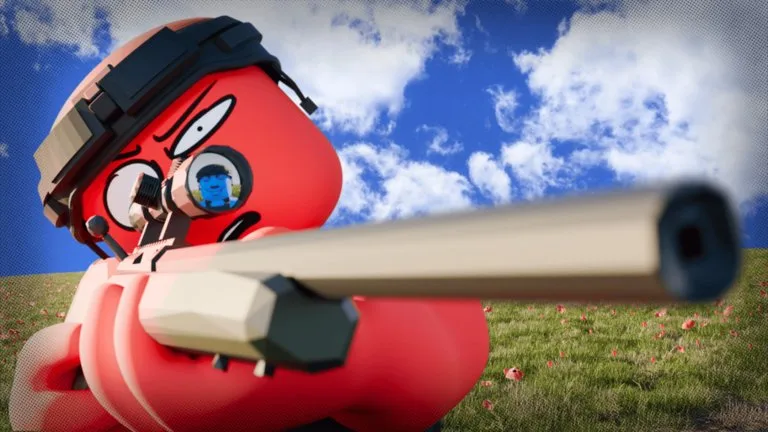
Every soldier uses ragdoll physics, and hits produce wound reactions. That is the official pitch and the visible result of a fight. It also means a winner can be a collision, a slope, or a blast, not the unit you meant to test.
Read the result in order
- Pause at first contact. Note distance, cover, and which way the units faced.
- Step at 0.5x through the first hit. Watch whether the body fell from the shot or from a shove.
- Look for a chain. Packed soldiers knock neighbors over. A tight front line can lose shape without anyone outgunning it.
- Check vehicles separately. A Tank that stops on a fence did not lose a damage test.
- Check blasts last. A Nuke, airstrike, mortar, or landmine can erase both the target and the evidence.
- Repeat once with the same placement. If the second run diverges at the same corner, the terrain is the variable. Move the spawn.
What physics does not tell you
There is no public hit-point pool, knockback force, or injury table. A body that flies farther is not a measured damage number. Do not average two messy runs into a stat.
Wound reactions are part of the presentation. They are not a confirmed medical system with timers you can optimize. Medics are a support role placed near a squad. Their treatment numbers are unpublished, so do not plan a heal rotation.
Keep the camera honest
Cinematic and first-person views are for inspection. A first-person blast view shows the scale of a Nuke. It does not change the rules. After you look, return to a wide camera so you can see both teams.
If the same setup keeps producing a different survivor, write down the condition that changed: spacing, slope, who was box-selected, or whether a support attack was still armed. That note is more useful than a new tier label.